U.S. and Iran set for new talks in Doha, Trump says, after Hormuz clashes threatened peace deal
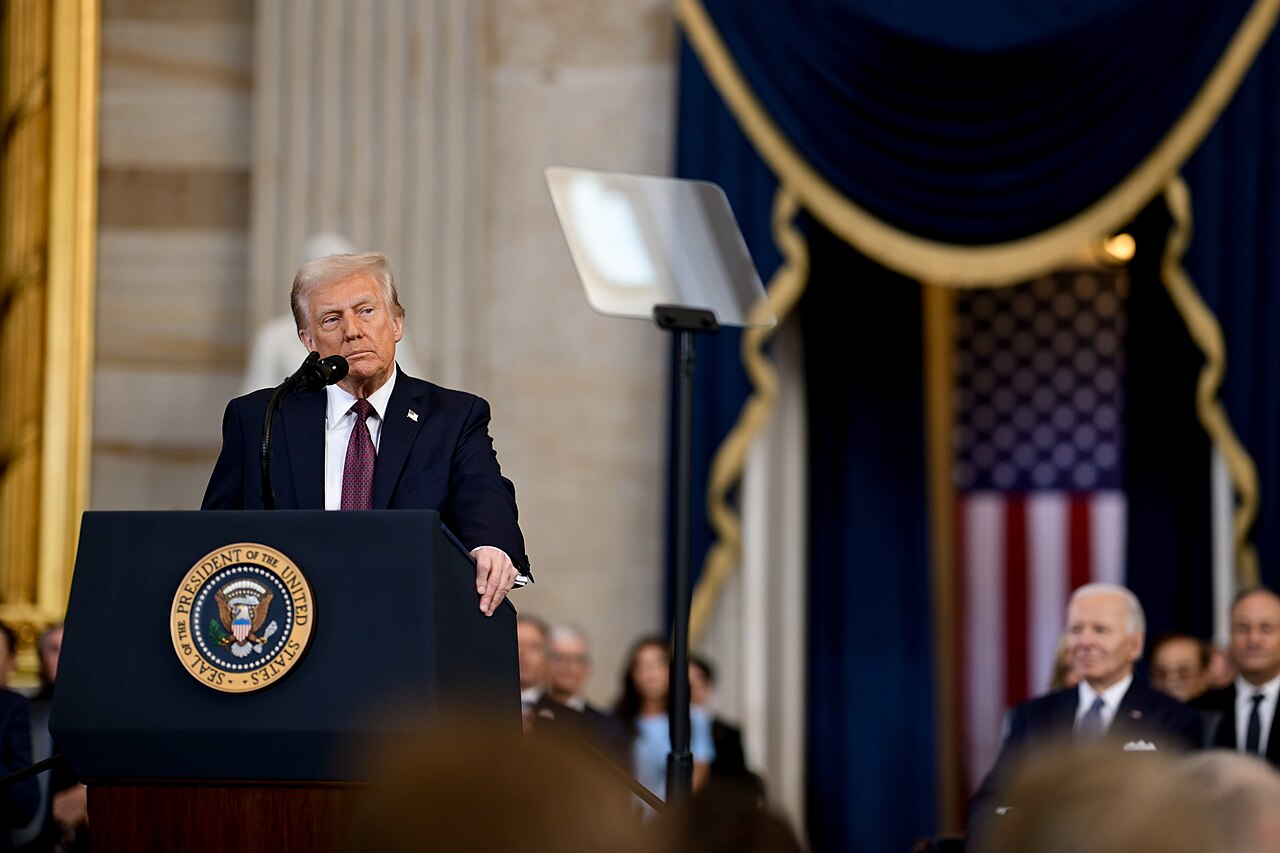
NBC News reported on June 29 that President Donald Trump said the US and Iran would hold new talks, meeting Tuesday in Doha, Qatar, after clashes over the Strait of Hormuz threatened their peace deal.
At a glance
- Trump said the US and Iran would meet Tuesday in Doha, Qatar, for new talks (NBC, June 29).
- A senior Iranian official denied that such negotiations were scheduled.
- The talks follow clashes over the Strait of Hormuz that threatened the peace deal.
VERDICT — CONFIRMED
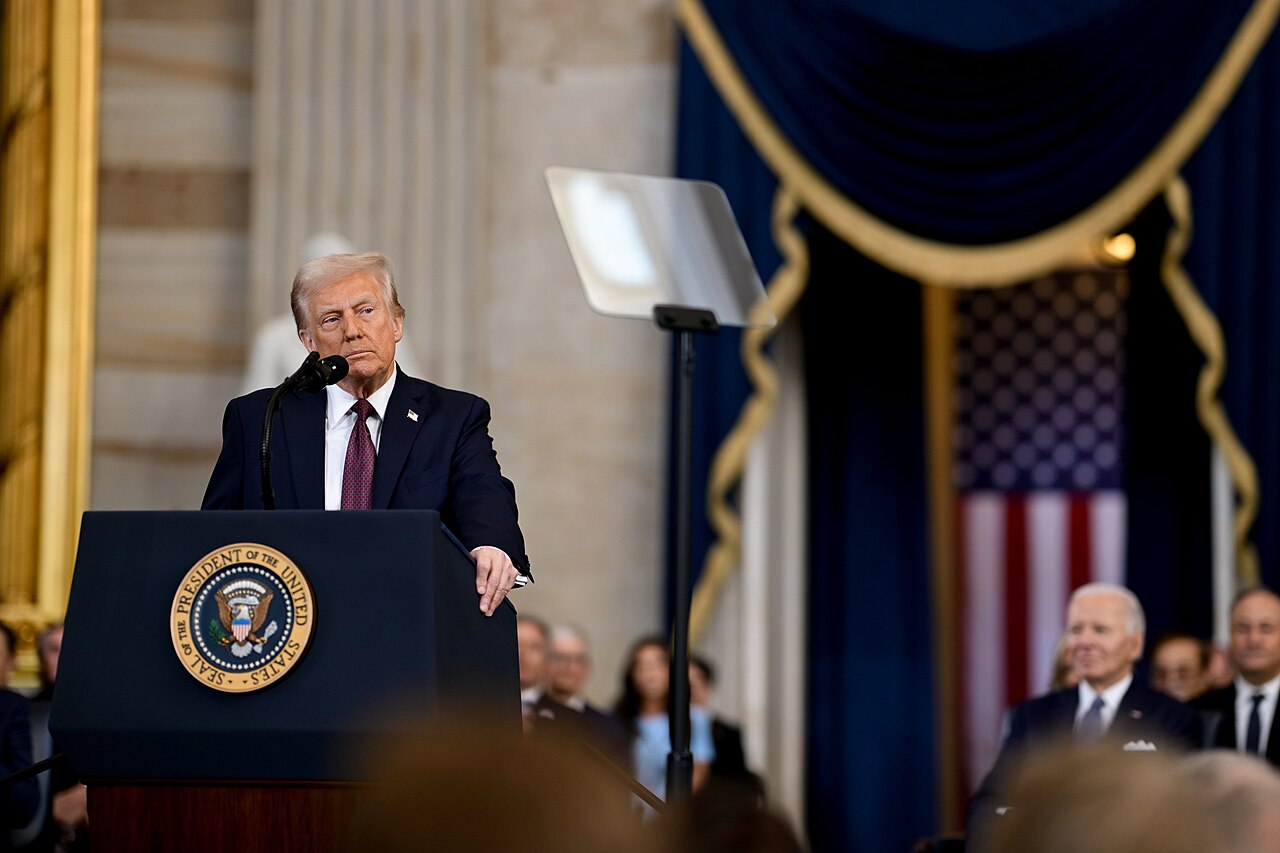
President Donald Trump said the United States and Iran would hold new talks, meeting on Tuesday in Doha, Qatar, NBC News reported on June 29, after clashes over the Strait of Hormuz threatened the two countries' peace deal.
The announcement did not pass uncontested. Per NBC News, a senior Iranian official had denied, hours before the President's remarks, that any such negotiations were set to take place — leaving the two capitals publicly at odds over whether a meeting exists at all.
The context, per the reporting, is a peace arrangement under strain: the clashes over the Strait of Hormuz had threatened the deal, and the proposed Doha session would represent an attempt to steady it.
On the record are the President's statement and the Iranian denial, as reported by NBC News. Whether the Doha talks convene as described, at what level, and with what agenda remains unconfirmed in the available material.
Background
The Strait of Hormuz is the world's most consequential energy chokepoint: the narrow passage between Iran and Oman links the Persian Gulf to open ocean, and roughly a fifth of globally traded oil moves through it, along with a large share of liquefied natural gas. Friction there — from tanker seizures to naval confrontations — transmits almost instantly into energy markets and into the military calculations of the United States, whose Fifth Fleet operates from Bahrain, and of Iran, whose coastline commands the strait's northern shore.
Qatar has built a distinctive role as a mediator between Washington and Tehran. The Gulf state maintains working relations with both capitals — it hosts the largest US air base in the Middle East at Al Udeid while sharing with Iran the world's largest natural gas field — and Doha has repeatedly served as a venue and intermediary for indirect exchanges, including on detainee releases and de-escalation messages. Public contradiction between US and Iranian accounts of planned diplomacy is itself a familiar pattern: decades of estrangement since 1979 have left both governments managing domestic audiences hostile to visible concessions.
What comes next
The near-term test is whether a meeting convenes in Doha on Tuesday as the President described, and at what level — the fact of attendance would resolve the public contradiction between the two capitals. Watch for confirmation or further denial from Tehran, any comment from Qatari mediators, and White House detail on the delegation and agenda; per the reporting, none of those particulars were available.
Key facts on file
- Trump said the US and Iran would meet Tuesday in Doha, Qatar, for new talks (NBC, June 29).
- A senior Iranian official denied that such negotiations were scheduled.
- The talks follow clashes over the Strait of Hormuz that threatened the peace deal.