Trump threatens to annihilate Iran after crossfire over Hormuz
The Guardian reported on June 28 that Iran launched drone and missile attacks targeting Bahrain and Kuwait in response to US airstrikes on the Islamic Republic, and threatened a “complete halt” to negotiations to end the.
At a glance
- The Guardian reported Iran attacked Bahrain and Kuwait in response to US airstrikes (June 28).
- Iran threatened a “complete halt” to negotiations if US attacks continued.
- Trump accused Iran of violating the ceasefire agreement.
VERDICT — CONFIRMED
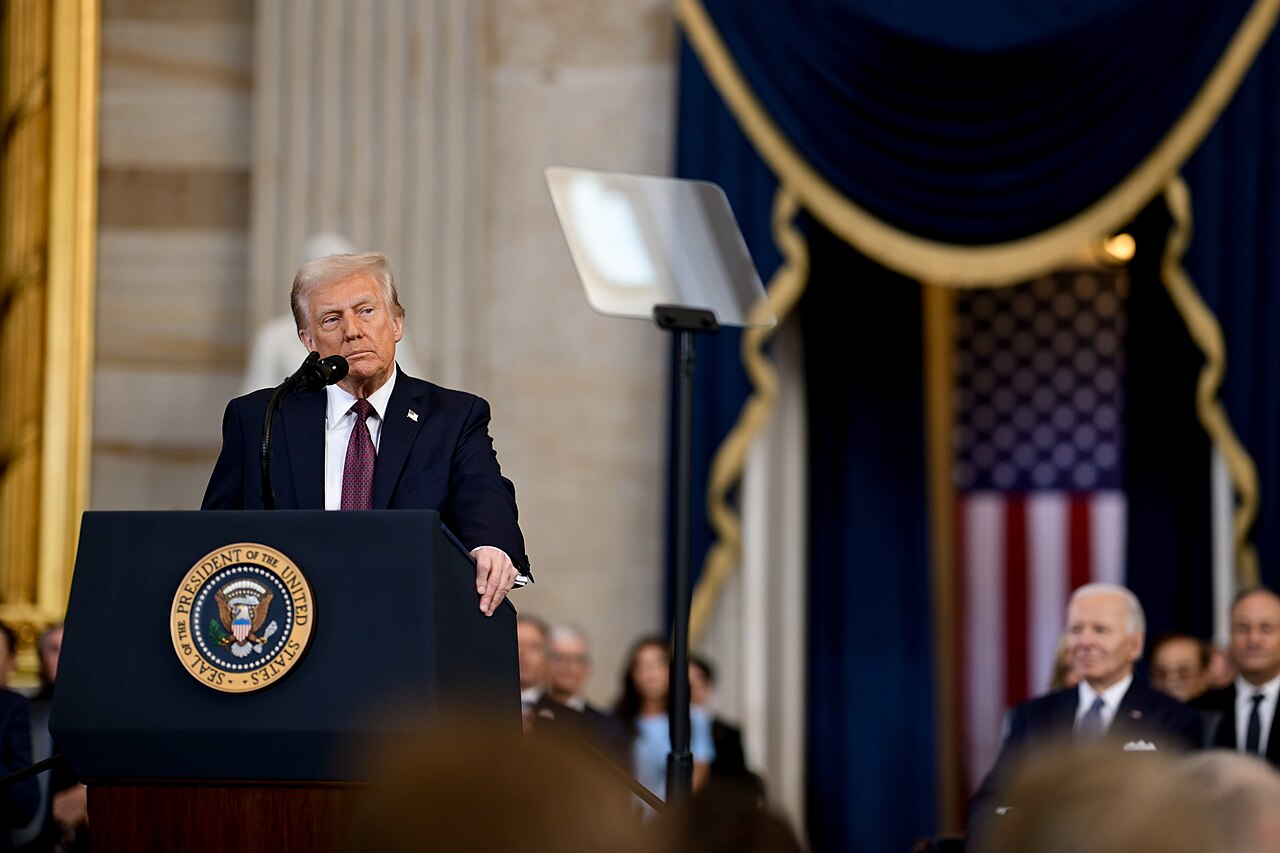
Iran launched drone and missile attacks targeting Bahrain and Kuwait on 28 June in response to American airstrikes on the Islamic Republic, The Guardian reported, and threatened a "complete halt" to negotiations to end the war if Washington continued its attacks.
President Donald Trump accused Iran of violating the ceasefire agreement in a social media post, per the Guardian's liveblog, as both sides traded strikes and accused each other of endangering the truce. The newspaper's coverage recorded Mr Trump threatening to annihilate Iran as the crossfire over the Strait of Hormuz escalated.
The targeting of Bahrain and Kuwait — both hosts to substantial American military infrastructure — marked a widening of the confrontation beyond direct exchanges between US and Iranian forces, per the Guardian's reporting. In a separate analysis published the same day, the newspaper reported that the renewed hostilities came ten days after Iran and the United States signed a memorandum of understanding intended to end their conflict, and that the document's opaque wording had produced conflicting interpretations on key issues.
Background
Bahrain is home to the headquarters of the US Navy's Fifth Fleet, which patrols the Gulf and the Arabian Sea, while Kuwait has hosted American ground forces at installations such as Camp Arifjan since the 1990s. Any Iranian strike on either state therefore engages territory central to the American military posture in the region, and draws Gulf Arab monarchies that have historically sought to balance between Washington and Tehran directly into the line of fire.
The Strait of Hormuz, the narrow channel between the Persian Gulf and the Gulf of Oman, carries roughly a fifth of the world's traded oil and has been the recurring flashpoint of US-Iranian confrontation for four decades, from the tanker wars of the 1980s onward. The two countries have had no diplomatic relations since 1980; the 2015 nuclear agreement briefly eased hostilities before the United States withdrew from it in 2018, and successive rounds of sanctions, sabotage and proxy conflict have followed.
What comes next
Tehran has conditioned the continuation of negotiations on a halt to American attacks, per the Guardian, so the immediate question is whether either side de-escalates before the talks collapse entirely. Watch for formal statements from the Iranian foreign ministry and the White House on the status of the ceasefire, and for responses from Bahrain and Kuwait, whose territory has now been drawn into the exchange.
Key facts on file
- The Guardian reported Iran attacked Bahrain and Kuwait in response to US airstrikes (June 28).
- Iran threatened a “complete halt” to negotiations if US attacks continued.
- Trump accused Iran of violating the ceasefire agreement.