Pakistan PM Shehbaz Sharif to attend Iran supreme leader Ali Khamenei's funeral
Buried On The 4th Of July: Mediators Pledge Quiet Between US, Iran To Allow For Ayatollah Khamenei's Funeral President Trump by mid-week told reporters that the "denuclearization of Iran is moving along well" and that "v.
VERDICT — CONFIRMED
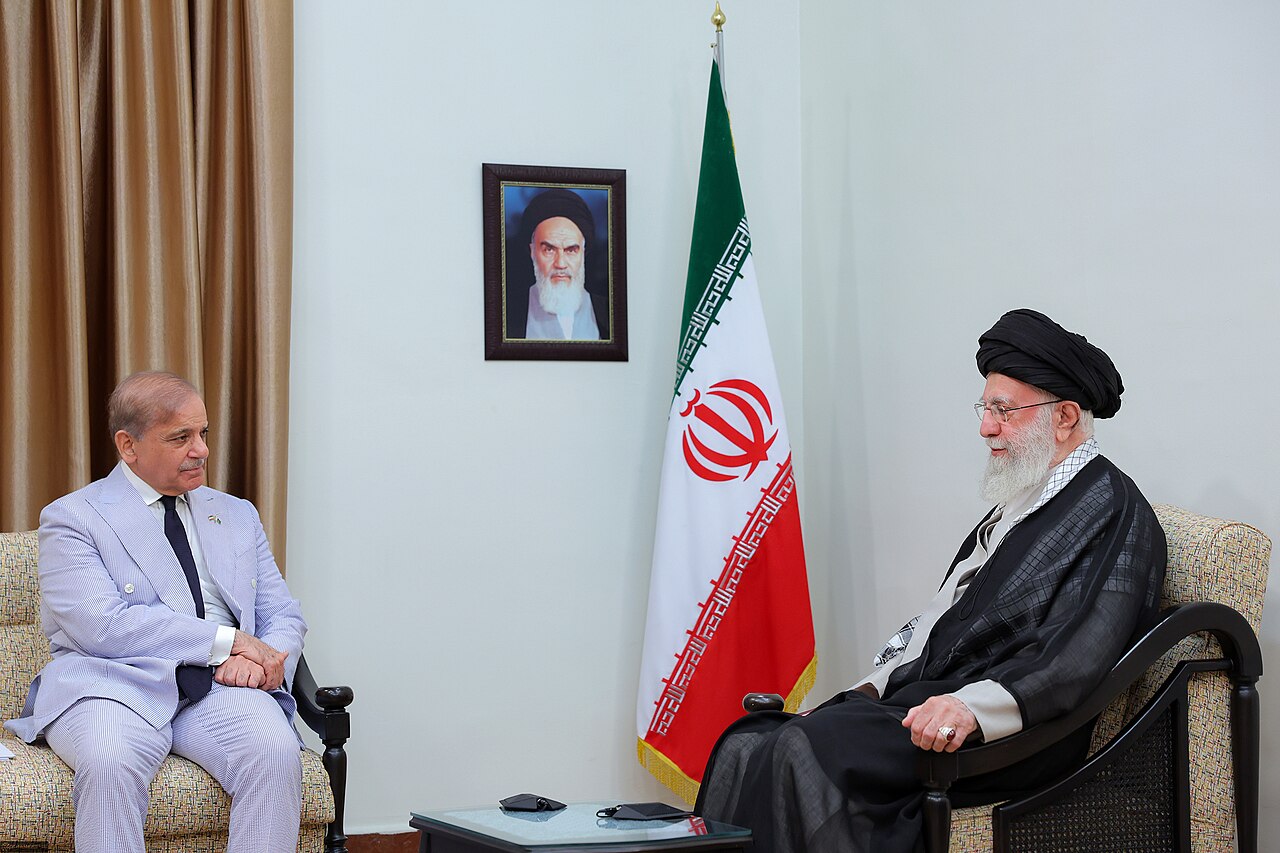
Pakistan's Prime Minister Shehbaz Sharif will attend the funeral of Iran's supreme leader, Ayatollah Ali Khamenei, The Hindu reported on 2 July, as Tehran prepared ceremonies expected to draw officials and foreign dignitaries from across the region and beyond.
Funeral events are set to begin over the weekend in Tehran, according to The Jerusalem Post, with a major procession through the centre of the capital on Monday, ceremonies in the seminary city of Qom on Tuesday and in Iraq's Najaf and Kerbala on Wednesday, before burial in Mashhad near the tomb of Imam Reza on Thursday. Officials and foreign dignitaries, including from Russia and China, are expected to offer condolences, the paper reported, adding that family members killed alongside Khamenei — who, per the same account, was killed in US and Israeli strikes — will be carried with his remains, and that his son Mojtaba has succeeded him as Iran's third supreme leader. A Qom prayer leader was quoted as saying the expected public turnout would be “in effect, another referendum for the Islamic Republic.”
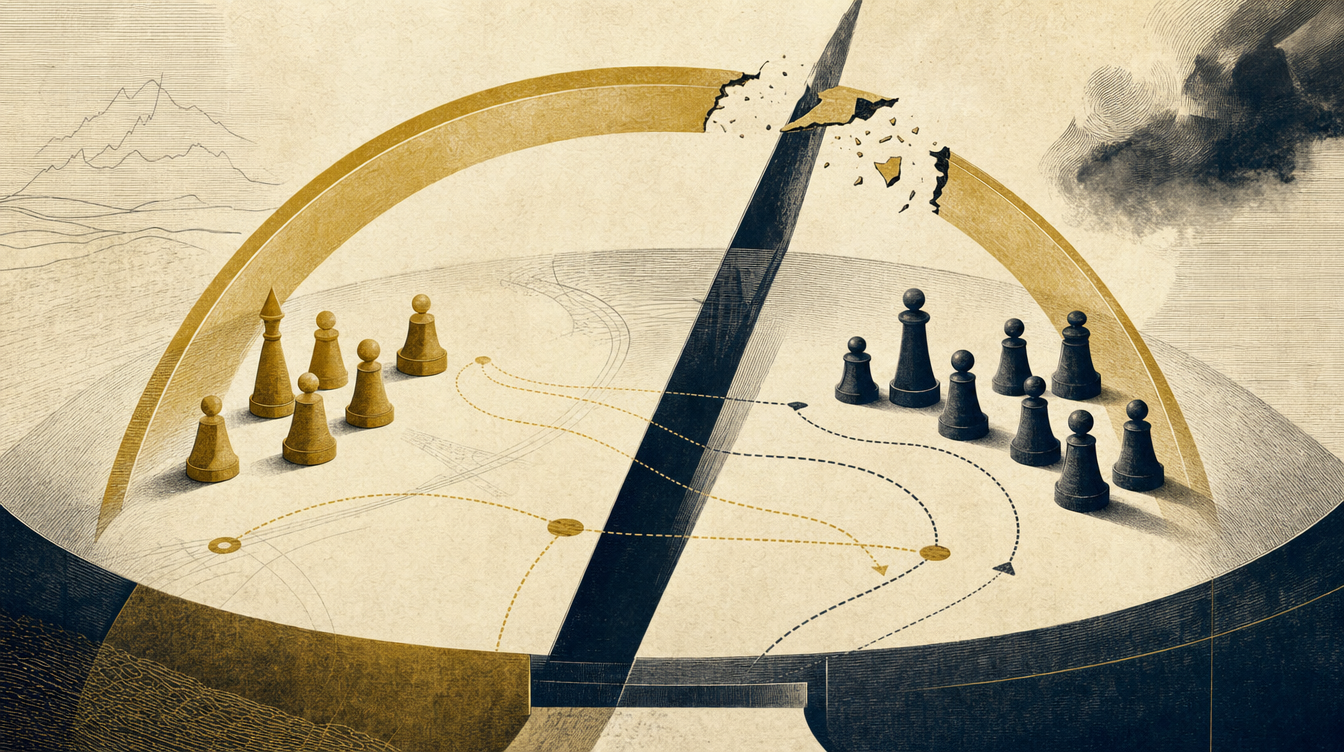
The funeral is to unfold under a quiet that mediators have pledged between Washington and Tehran, according to coverage carried by ZeroHedge. President Trump told reporters by mid-week that the “denuclearization of Iran is moving along well” and that “very good meetings” are being held in Doha — even though no direct talks have taken place, only an exchange of messages via mediators, per that account. On Wednesday, US officials told regional media that no frozen Iranian funds have been released, nor will they be until Iran complies with what has been laid out in the memorandum of understanding, and each side continues accusing the other of refusing to conform with agreed-upon terms.
Background
The supreme leader is the apex of Iran's political system, with final authority over the armed forces, the judiciary and foreign policy. Khamenei had held the office since 1989, when he succeeded the Islamic Republic's founder, Ayatollah Ruhollah Khomeini; under Iran's constitution the succession formally rests with the Assembly of Experts, a clerical body. Mashhad, where the burial is planned, is Khamenei's birthplace and home to the shrine of Imam Reza, the holiest site in Iran.
Pakistan and Iran share a border of roughly 900 kilometres and a relationship that Islamabad has long balanced against its ties to Gulf Arab states and Washington. Qatar, whose capital Doha hosts the indirect exchanges described in the reporting, has repeatedly served as an intermediary in disputes involving Iran and the United States, alongside Oman's longer-standing back-channel role.
What comes next
The published schedule runs through burial in Mashhad on Thursday, per The Jerusalem Post. The points to watch are whether the quiet pledged by mediators holds through the funeral period, whether the Doha message exchange described by President Trump develops into direct talks, and whether Tehran's compliance with the memorandum of understanding — the condition US officials attached to any release of frozen funds — is certified by either side.