US-Iran memorandum eases Strait of Hormuz tensions but leaves key disputes unsettled
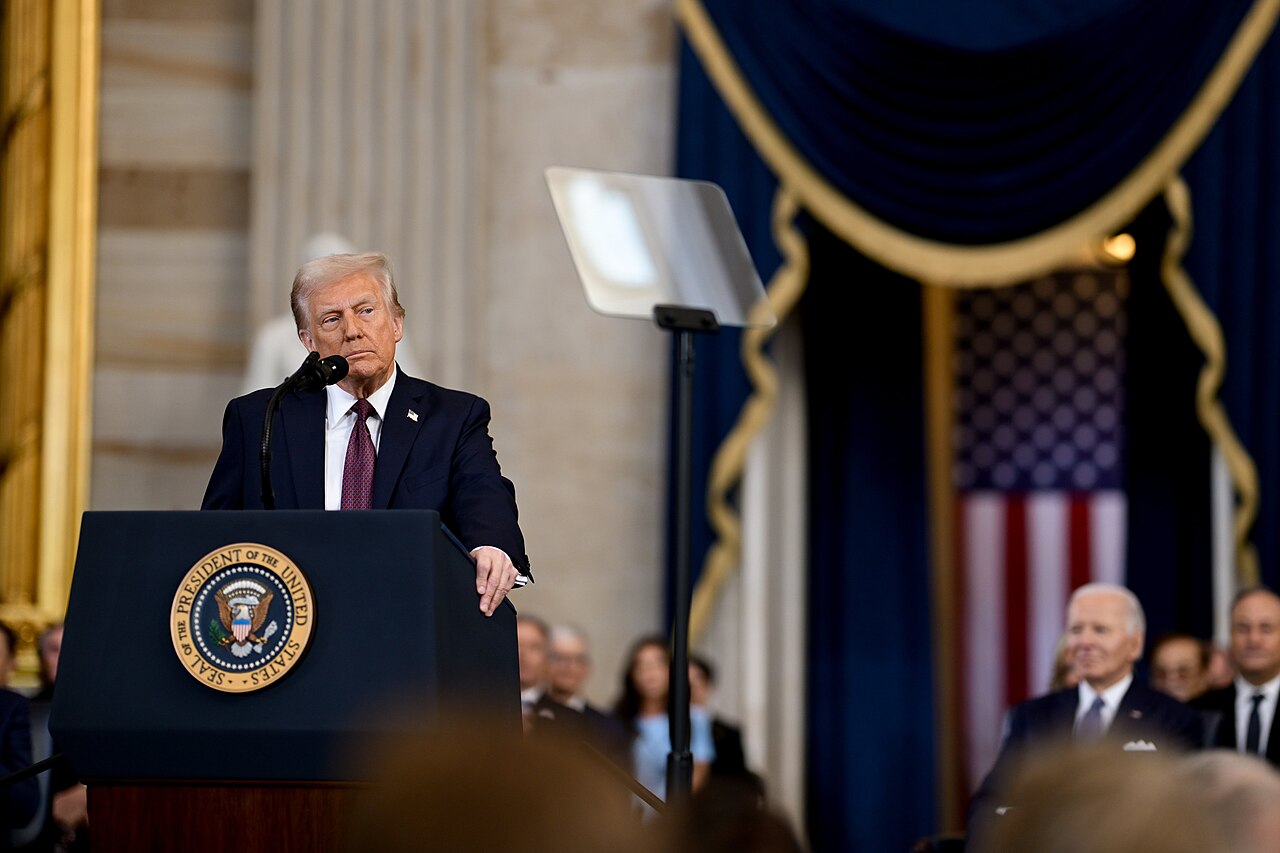
War on the Rocks reported in its June 25 “The Adversarial” analysis that on June 17 US President Donald Trump and Iranian President Masoud Pezeshkian separately signed a memorandum of understanding, mediated by Pakistan .
At a glance
- Trump and Pezeshkian separately signed a US-Iran memorandum of understanding on June 17, mediated by Pakistan and Qatar.
- Early effects cited include increased Hormuz shipping, lower oil prices and a US 60-day waiver on Iranian oil and petrochemical sales.
- The two sides diverged on interpretation of key terms of the agreement.
VERDICT — CONFIRMED
US President Donald Trump and Iranian President Masoud Pezeshkian separately signed a memorandum of understanding on June 17, mediated by Pakistan and Qatar, that ends hostilities between the two countries, War on the Rocks reported in its June 25 "The Adversarial" analysis.
Early returns from the accord include rising shipping through the Strait of Hormuz, falling oil prices and a US 60-day waiver on Iranian oil and petrochemical sales, per the analysis.
The piece cautioned, however, that the two sides hold diverging interpretations on nearly every disputed point — a gap between the document signed and the understandings each capital claims it contains. The memorandum's terms beyond those elements, and the mechanics of the mediation, were not carried in the material available here.
Background
The Strait of Hormuz, the narrow passage between Iran and the Arabian Peninsula linking the Gulf to open ocean, is the world's most consequential oil chokepoint: roughly a fifth of globally traded oil, along with a large share of liquefied natural gas, transits it. Threats to shipping there translate quickly into insurance costs, tanker routings and crude prices — which is why traffic through the strait serves as a real-time barometer of Gulf tension, and why the reported rebound in shipping is treated as an early return on the accord.
Washington and Tehran have had no formal diplomatic relations since 1980, and successive rounds of US sanctions have targeted Iran's oil exports, banking system and petrochemical trade — making waivers on oil sales one of the most tangible forms of de-escalation available to a US administration. Both reported mediators have standing in the file: Qatar has repeatedly served as an intermediary between the two countries and hosts the largest US military base in the region, while Pakistan shares a long border with Iran. Pezeshkian, elected in 2024, has publicly favoured engagement to relieve economic pressure on Iran.
Signature "separately," rather than at a joint ceremony, is itself a diplomatic signal — agreement on paper without the political exposure of a handshake.
What comes next
The instrument's durability turns on the points the two sides read differently, per the analysis. The 60-day waiver builds in a near-term test: whether it is renewed, extended or allowed to lapse would signal Washington's assessment of the arrangement, while Hormuz shipping volumes and oil pricing offer running measures of market confidence in it.
Key facts on file
- Trump and Pezeshkian separately signed a US-Iran memorandum of understanding on June 17, mediated by Pakistan and Qatar.
- Early effects cited include increased Hormuz shipping, lower oil prices and a US 60-day waiver on Iranian oil and petrochemical sales.
- The two sides diverged on interpretation of key terms of the agreement.