Keir Starmer issues state apology for decades of forced adoptions practices in UK
After decades of campaigning by those affected, PM says British state ‘did not do enough to protect’ mothers and children Keir Starmer has formally apologised for the British state’s role in past forced adoptions after d.
VERDICT — CONFIRMED
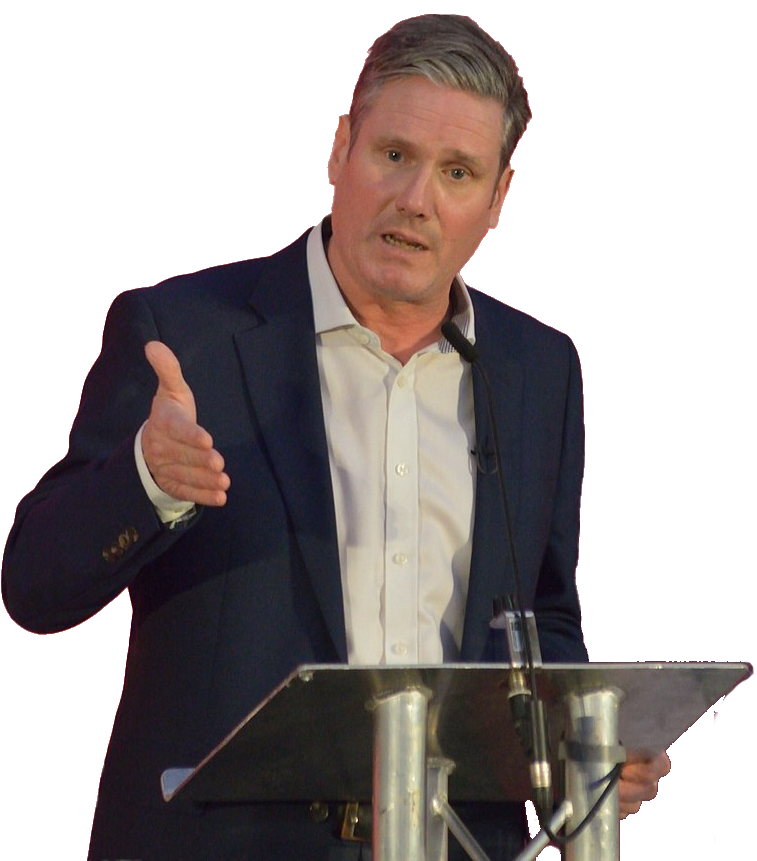
Keir Starmer formally apologised on 2 July for the British state's role in decades of forced adoptions, telling the House of Commons “the shame is ours” and saying he was “deeply and profoundly sorry” for what had happened, after decades of campaigning by the mothers and children affected.
“The shame is not yours, the shame was never yours. The shame is ours,” the prime minister said, per Euronews' account of the statement, in which he recognised that the state “bears responsibility for the systems it funded and legitimised.” He announced extra funding to help people access their adoption records and reconnect with biological families, along with mental health support for those affected, and met campaigners at Downing Street the same day. The apology was also reported by ABC Australia and covered live by The Guardian.
The statement addressed practices spanning roughly the postwar decades: per Euronews, about 185,000 babies born to unmarried mothers between 1949 and 1976 were adopted by married couples in England and Wales, with mothers reporting they were pressured, misled, coerced and bullied into giving up their children while facing institutional shame during pregnancy. The previous Conservative government had declined to issue a state apology, arguing the state “did not actively support these practices” — a position Starmer's statement rejected, per the same account.
Background
The forced adoption era belongs to a period when unmarried motherhood carried acute social stigma in Britain, and when networks of mother-and-baby homes — many run by religious and charitable bodies operating alongside state welfare services — channelled young women toward relinquishing their children. Campaigners have argued for years that the state's funding and legal apparatus made it a participant rather than a bystander, and a parliamentary inquiry had previously recommended a formal government apology.
Within the United Kingdom, the apology closes a gap: the devolved governments of Scotland and Wales issued their own apologies for historic forced adoption in 2023, leaving Westminster — responsible for England and for the UK state's overall role — as the holdout until now.
What comes next
The measurable commitments are the funding for access to adoption records and the mental health support Starmer announced; campaigners will watch the scale, timetable and administration of both. Also to watch is whether affected families press for further steps beyond apology and records access — the questions of redress that have followed comparable state apologies elsewhere.