Rare Copy of the Declaration of Independence Is Discovered in London
One of 11 surviving copies of ‘Exeter printing’ and only one known outside US was taken from American privateer ship For Michael Scurr, a volunteer at the National Archives in Kew, west London, it was “just a boring old .
VERDICT — CONFIRMED
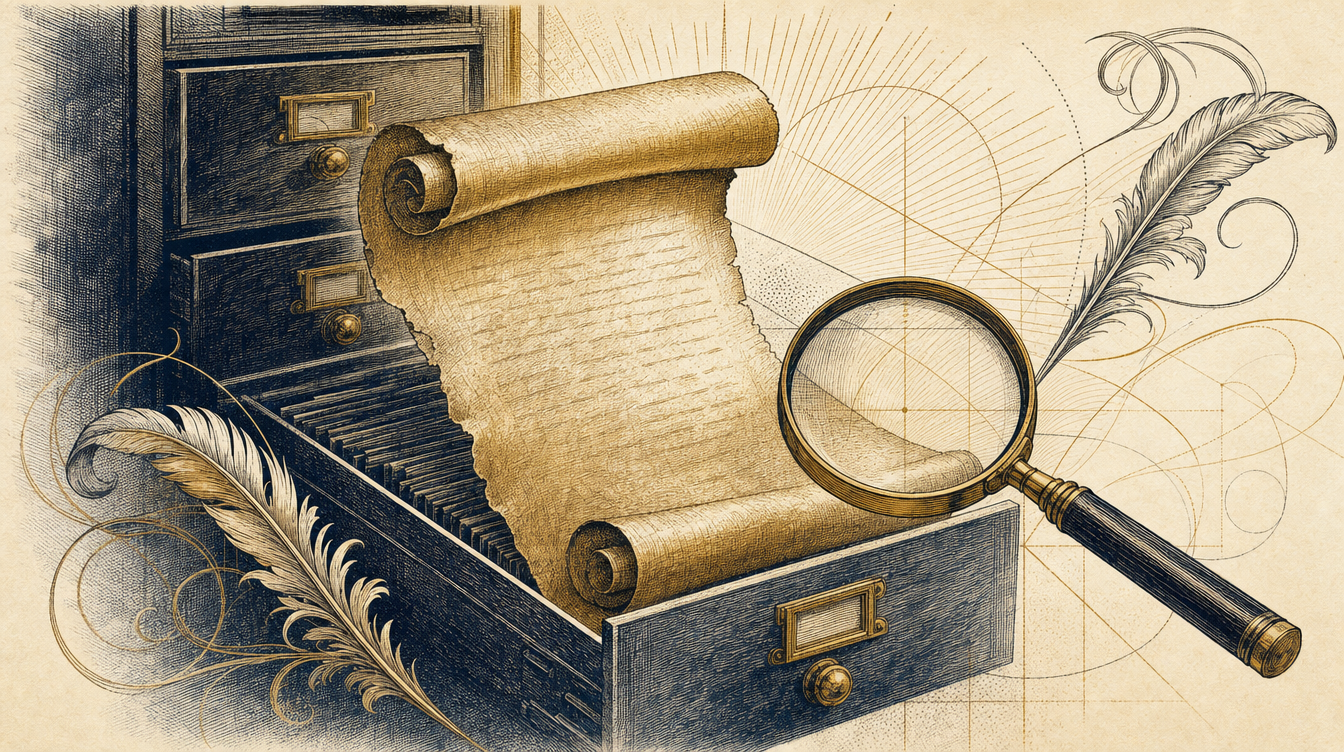
A rare copy of the US Declaration of Independence — one of 11 surviving examples of the “Exeter printing” and the only one known outside the United States — has been discovered at the UK National Archives in Kew, west London, according to reporting carried by The Guardian and The New York Times on 2 July.
The find was made by Michael Scurr, a volunteer at the archives, who sat down in late May to catalogue a collection of documents from the British national collection that had never previously been recorded in detail. It was, he said, “just a boring old Thursday morning” — until, opening a volume of 18th-century Royal Navy correspondence, he unfolded a document whose opening words he recognised: “In Congress, July 4, 1776. A declaration by the representatives of the United States of America …”, per The Guardian's account.
The document was taken from an American privateer ship, according to the reporting, which is how it came to rest among Royal Navy papers. The Guardian described the copy as “vanishingly rare,” and ABC News also carried the story of the discovery at the UK's national archives.
Background
The Declaration of Independence was adopted by the Continental Congress in Philadelphia on 4 July 1776, and its text was spread through the rebelling colonies by a wave of regional broadside and newspaper printings in the following weeks. The “Exeter printing” takes its name from Exeter, New Hampshire, one of the towns where the text was reproduced that summer; such early printings are prized because they are the physical record of how news of independence actually travelled, and each printing survives in only a handful of copies.
The presence of an American founding document in British naval files is a product of the war that followed. Congress licensed privately owned armed vessels — privateers — to raid British shipping, and when the Royal Navy captured such ships, their papers were routinely seized and filed into Admiralty records. Those records now sit in the National Archives at Kew, the United Kingdom's official archive, whose vast holdings are still being catalogued in detail, in part by volunteers such as Scurr.
What comes next
The usual course after such a discovery runs through detailed cataloguing, conservation assessment and a decision on public display, and archivists' fuller account of the document's provenance — which privateer carried it, and when it was taken — is the detail to watch as the National Archives completes its examination.