UK-US pharmaceuticals deal will divert £45bn from essential NHS services, says doctors' union
The NHS will be forced to divert around £45bn from essential services under a UK-US pharmaceuticals deal, increasing potentially preventable deaths by 229,000, analysis from a doctors' union has found..
VERDICT — CONFIRMED
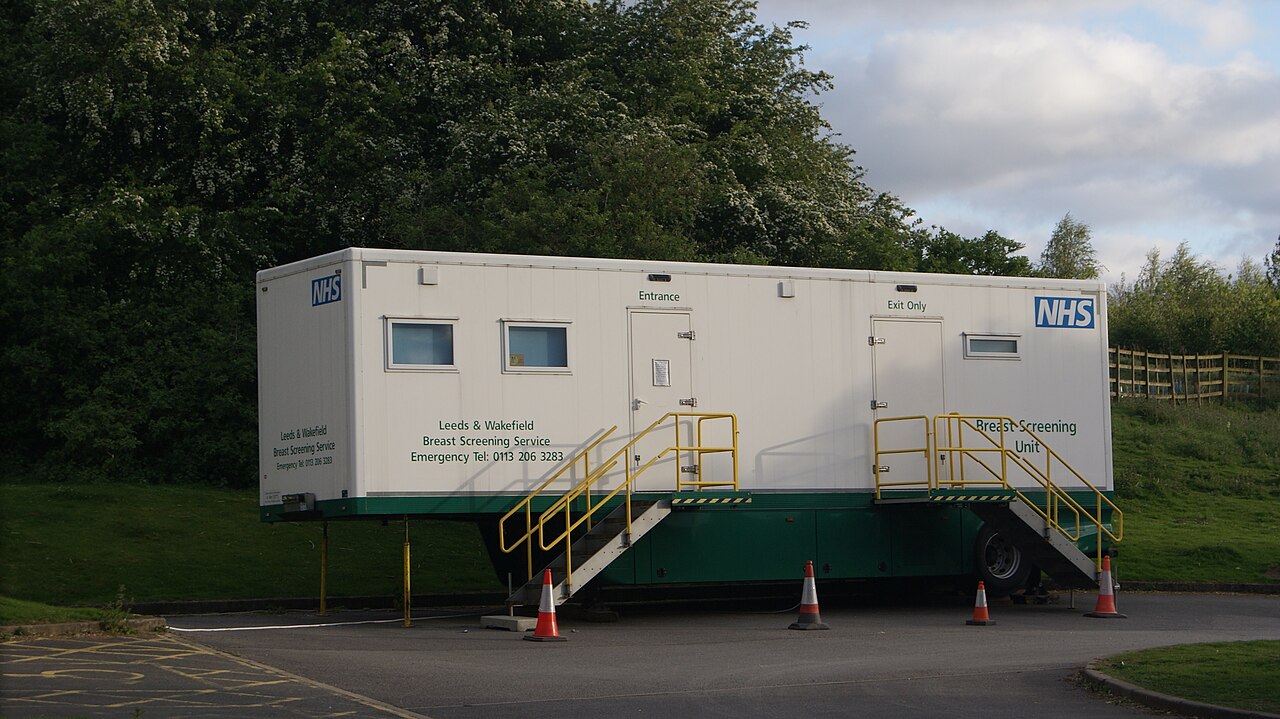
The National Health Service will be forced to divert around £45bn from essential services under the UK–US pharmaceuticals deal, increasing potentially preventable deaths by 229,000, according to analysis from a doctors' union reported on 2 July.
Sky News carried the union's findings the same day. The primary source logged against the item is a House of Commons Library research briefing (CBP-10850); the Commons Library is Parliament's impartial research service, producing briefings for Members ahead of debate, and its treatment of the deal sits alongside the union's analysis rather than endorsing it.
The material supplied does not name the union, set out the methodology behind the £45bn and 229,000 figures, or record a response from the Department of Health and Social Care or the Treasury; those elements remain unverified. What is on the record is the union's headline claim and the fact that the deal is now the subject of a formal parliamentary research briefing — the usual precursor to Commons scrutiny.
Background
The NHS is funded from general taxation and free at the point of use, and its medicines bill is one of its largest controllable costs. The United Kingdom holds drug prices down through central machinery: the National Institute for Health and Care Excellence assesses whether new medicines are cost-effective for NHS use, and pricing agreements negotiated with the pharmaceutical industry cap the growth of the branded-medicines bill. The result is that UK prices for many drugs sit well below US levels.
That gap has made pharmaceutical pricing a recurring point of friction in trade dealings between London and Washington, where administrations of both parties have argued that allied health systems underpay for American-developed medicines and have pressed trading partners to raise what they pay. Any deal that moved UK prices toward US levels would mechanically increase NHS spending on medicines, which is the cost channel the union's analysis appears to address.
What comes next
A Commons Library briefing typically precedes parliamentary debate or committee scrutiny, so the deal's terms can be expected to come before MPs. The items to watch are the union identifying itself and publishing its methodology for the £45bn and 229,000 figures, and any formal response from the Department of Health and Social Care or the Treasury contesting or confirming the projected cost.