PM Modi, Japan's Sanae Takaichi push for early Quad meet
Prime Minister Modi and his Japanese counterpart reaffirmed commitment to an early Quad summit, stressing freedom of navigation in the Strait of Hormuz and opposing restrictive measures.
VERDICT — CONFIRMED
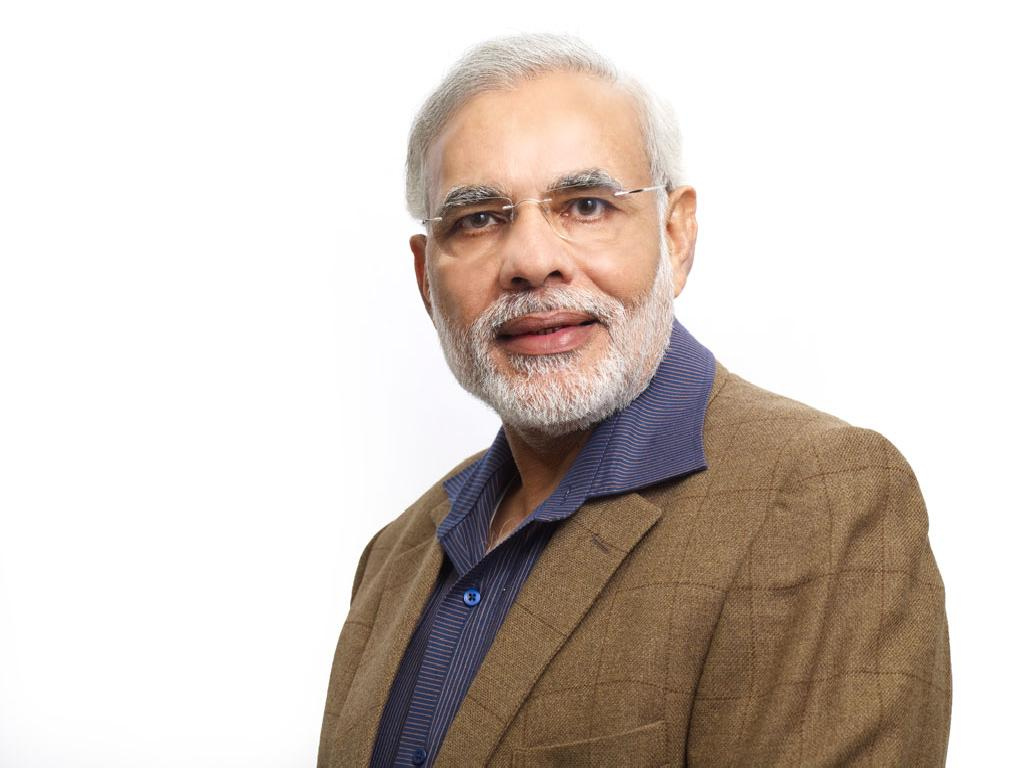
Prime Minister Narendra Modi and Japanese Prime Minister Sanae Takaichi reaffirmed their commitment to an early Quad summit during Ms Takaichi's visit to India, The Hindu reported on 1 July, with the two leaders stressing freedom of navigation in the Strait of Hormuz and opposing restrictive measures.
The joint statement issued by the two governments unequivocally condemned cross-border terrorism emanating from Pakistan, specifically naming groups such as Jaish-e-Mohammed and Lashkar-e-Taiba, per The Hindu's account, and recorded Japan's support for India's membership of the International Energy Agency. Both nations also voiced opposition to unilateral actions in the East and South China Seas.
The talks ranged beyond the Indo-Pacific: the two leaders discussed the crisis in West Asia, The Indian Express reported, and Deutsche Welle carried live coverage of Mr Modi hosting Ms Takaichi in India. The emphasis on the Strait of Hormuz — the channel through which a fifth of the world's oil passes, and a lifeline for both energy-importing economies — tied the bilateral agenda directly to that regional crisis.
Background
The Quadrilateral Security Dialogue groups India, Japan, the United States and Australia in a partnership widely read as a counterweight to China's power in the Indo-Pacific, though its members frame it around maritime security, infrastructure and technology. Leader-level summits have been held regularly since 2021, and the timing and venue of each iteration is a perennial diplomatic signal; a joint Indo-Japanese push for an “early” summit is a statement that the format retains momentum.
India and Japan describe their relationship as a Special Strategic and Global Partnership, resting on Japanese investment in Indian infrastructure, defence cooperation and annual leaders' summits. Ms Takaichi, who took office in October 2025 as Japan's first female prime minister, inherited that framework from a line of predecessors going back to Shinzo Abe, who first articulated the Indo-Pacific concept in a 2007 speech to India's parliament. The language on the East and South China Seas, and on terrorism from Pakistan, tracks formulations both governments have sharpened in successive joint statements.
What comes next
The concrete deliverable to watch is the scheduling of the Quad leaders' summit the two prime ministers called for; neither the date nor the host is fixed in the material supplied. Follow-through on Japan's support for India's IEA membership would run through the agency's ministerial processes, and any further coordination on the Strait of Hormuz would be expected to surface in Quad and bilateral channels.