Latvia's Saeima confirms centre-right Kulbergs government, 66 votes, after 'drone row' toppled Silina coalition
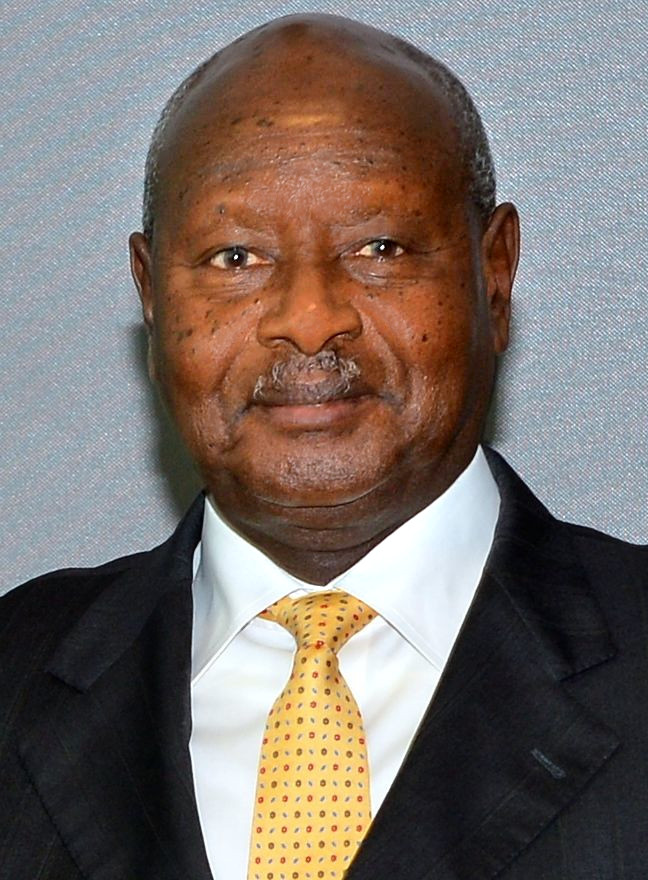
Latvia's parliament, the Saeima, approved a new centre-right coalition government on May 28, 2026, with 66 of 100 deputies voting in favor (25 against), installing 47-year-old United List (Apvienotais Saraksts) lawmaker .
At a glance
- Saeima vote May 28, 2026: 66 of 100 in favor, 25 against
- Andris Kulbergs, 47, of United List (Apvienotais Saraksts) installed as PM
- Coalition: United List, New Unity, National Alliance, Greens and Farmers' Union
- Baiba Braze retained as foreign minister; Colonel Raivis Melnis named defence minister
- Regular elections scheduled October 3, 2026
VERDICT — CONFIRMED

Latvia's parliament, the Saeima, approved a new centre-right coalition government on May 28, 2026, with 66 of 100 deputies voting in favor (25 against), installing 47-year-old United List (Apvienotais Saraksts) lawmaker Andris Kulbergs as prime minister. The four-party majority brings together Kulbergs's United List, former Prime Minister Evika Silina's New Unity, the National Alliance, and the Greens and Farmers' Union — more national-conservative in tone while remaining firmly pro-EU and pro-NATO. Baiba Braze was retained as foreign minister and Colonel Raivis Melnis was named defence minister.
The government will serve only a few months, until regular parliamentary elections scheduled for October 3, 2026. The reshuffle was forced by the 'drone row': the previous coalition fractured after stray Ukrainian attack drones — believed to have been knocked off course by Russian electronic jamming — crossed into Latvian airspace, exposing a rift over the balance between security imperatives and legal oversight of surveillance/counter-drone deployment along Latvia's eastern borders with Russia and Belarus. Silina dismissed defence minister Andris Spruds over his handling of the lapse; her coalition partner the Progressives (Progresivie) then withdrew its support, costing Silina her majority and prompting her resignation in mid-May (May 14).
That collapse triggered the rapid formation of the Kulbergs cabinet, confirmed exactly two weeks later. The episode underscores how Russia's war on Ukraine continues to destabilize NATO's eastern-flank governments. (Correction: the original summary used the wrong pronoun for Silina and wrongly framed the collapse as Silina losing her own party's support; the trigger was a coalition partner, the Progressives, quitting.)
Key facts on file
- Saeima vote May 28, 2026: 66 of 100 in favor, 25 against
- Andris Kulbergs, 47, of United List (Apvienotais Saraksts) installed as PM
- Coalition: United List, New Unity, National Alliance, Greens and Farmers' Union
- Baiba Braze retained as foreign minister; Colonel Raivis Melnis named defence minister
- Regular elections scheduled October 3, 2026
- Silina dismissed defence minister Andris Spruds; Progressives withdrew support; Silina resigned mid-May (May 14)
- Kulbergs cabinet confirmed exactly two weeks after the collapse