Brazil's Copom minutes turn hawkish, warning Iran-US conflict could shorten easing cycle after Selic cut to 14.50%
Brazil's central bank (Banco Central do Brasil) released the minutes ('ata') of its April 29, 2026 monetary policy meeting on May 5, 2026, striking a notably hawkish tone after the Copom unanimously cut the Selic policy .
VERDICT — CONFIRMED
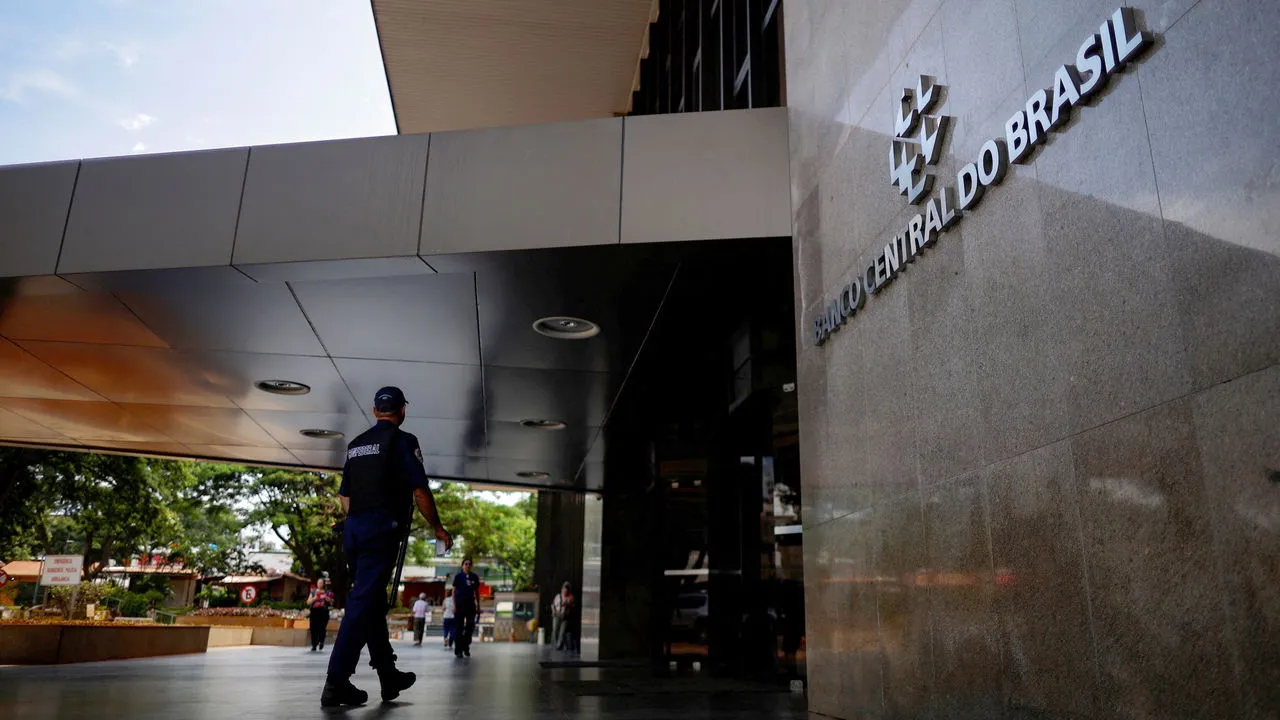
Brazil's central bank (Banco Central do Brasil) released the minutes ('ata') of its April 29, 2026 monetary policy meeting on May 5, 2026, striking a notably hawkish tone after the Copom unanimously cut the Selic policy rate by 25 basis points to 14.50%—the second consecutive cut of that size, for 50 basis points of cumulative easing from the cycle peak. Per the minutes, the committee warned that a prolonged Iran-US conflict could force it to 'slow or pause the easing cycle,' citing three hawkish signals: inflation projections revised higher (2026 forecast 4.6% versus a Focus survey median of about 4.86%; the relevant Q4 2027 horizon raised to 3.5% from 3.3%); an oil-price shock, with Brent around $114/barrel during the meeting versus the bank's roughly $80 baseline; and an explicit statement that the easing cycle would be 'shorter than the market expected before the war.' MercoPress and Agência Brasil confirmed the April 29 cut to 14.50% and the geopolitical rationale, with the central bank flagging that a prolongation of the Middle East conflict could feed through to fuel and food prices.
The hawkish minutes supported the Brazilian real, which fell only about 1.1% on May 5; the currency had strengthened materially against the dollar year-to-date, aided by the high real policy rate's carry appeal. The episode illustrates how the Middle East conflict and energy prices are reshaping emerging-market monetary paths, tilting one of the world's highest real-rate central banks toward caution on further cuts.