OFAC sanctions Sinaloa Cartel cash-to-crypto fentanyl laundering networks
On May 20, 2026 the U.S.
VERDICT — CONFIRMED
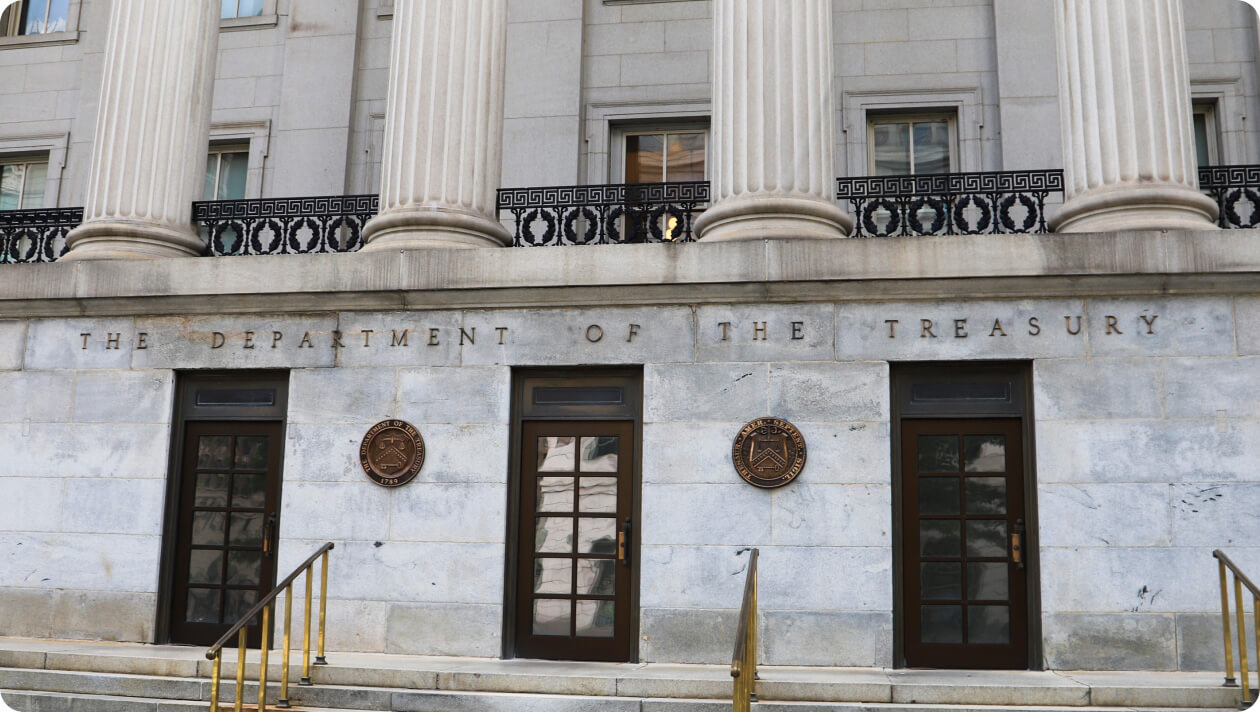
On May 20, 2026 the U.S. Treasury's OFAC sanctioned more than a dozen individuals and entities across two distinct networks tied to the Sinaloa Cartel's fentanyl trafficking and money laundering, designated as a narco-terrorist organization. According to the Treasury text (press release SB-0503, reproduced by GlobalSecurity.org) and Chainalysis, the first network, led by Armando de Jesus Ojeda Aviles, collected bulk cash proceeds from U.S. street-level fentanyl and drug sales and converted them into cryptocurrency for transfer to the cartel in Mexico, with Jesus Alonso Aispuro Felix identified as chief money broker handling digital-currency address transfers; Chainalysis also named courier Rodrigo Alarcon Palomares and noted ties to predecessor Mario Alberto Jimenez Castro (sanctioned September 2023).
The second network, led by Jesus Gonzalez Penuelas, was tied to production and distribution of methamphetamine and heroin to the United States. OFAC added six Ethereum addresses to the SDN list; per TRM Labs, five were attributed to Ojeda Aviles and one to Liliana Orozco Romero. Chainalysis described the laundering chain as converting cash into stablecoins via bulk transactions through decentralized exchanges before routing to centralized exchanges.
The action followed a Homeland Security Task Force (HSTF)-led investigation involving the DEA and was coordinated with Mexico's financial intelligence unit (Unidad de Inteligencia Financiera). Treasury Secretary Scott Bessent said Treasury 'will continue to target terrorist cartels and their fentanyl trafficking networks.' Allegations are OFAC's; designations are administrative and freeze any U.S.-jurisdiction assets while barring U.S. persons from dealings.