Ukraine's sanctions chief lambasts last EU shipyard servicing Russia's LNG fleet
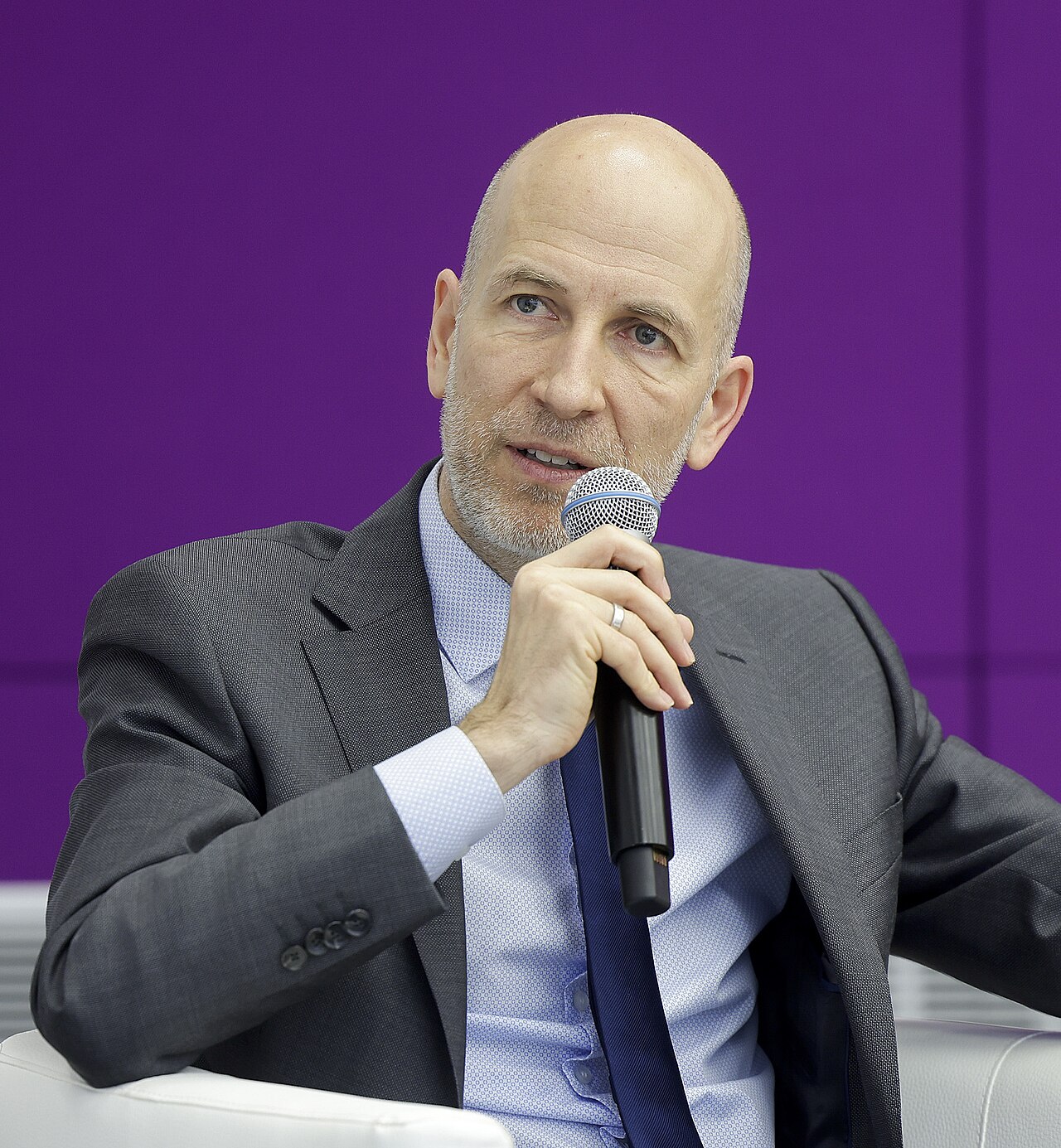
Denmark's Fayard shipyard is helping Russia sustain its liquefied natural gas (LNG) exports by servicing its specialized tanker fleet, said Vladyslav Vlasiuk, a presidential advisor for sanctions policy..
VERDICT — CONFIRMED

Denmark's Fayard shipyard is helping Russia sustain its liquefied natural gas exports by servicing its specialised tanker fleet, according to Vladyslav Vlasiuk, the Ukrainian presidential adviser for sanctions policy, in remarks logged on the wire on 2 July.
The item is carried with TASS's English service as the primary source — a point of note in itself, TASS being the Russian state news agency, whose interest in amplifying friction between Kyiv and a European Union member state should be weighed in reading the account. Vlasiuk's portfolio covers Ukraine's sanctions advocacy, and the characterisation of Fayard as the last EU shipyard servicing Russia's LNG fleet is his, per the headline.
Corroborating material on the record runs to Kyiv Independent coverage of Ukraine's wider sanctions argument, including its case that Russia's shadow fleet can be treated as military targets. Not on the record: any response from Fayard, from the Danish government, or from the European Commission to Vlasiuk's criticism. Those positions remain unconfirmed.
Background
Russia's liquefied natural gas trade depends on a small and highly specialised fleet. Its flagship Arctic projects load cargoes onto ice-class LNG carriers built to transit frozen northern waters, and vessels of that class require periodic maintenance that only a limited number of yards worldwide are equipped to perform — which is why access to European ship repair capacity matters to the trade in a way that ordinary tanker servicing does not. Fayard is one of Denmark's principal ship repair yards.
European sanctions have squeezed Russian energy in stages, but LNG has been treated more cautiously than crude oil: the EU moved first against transshipment of Russian LNG through European ports rather than banning the trade outright, and successive packages have progressively targeted the vessels and services that keep Russian energy exports moving. Ukrainian officials, with Vlasiuk prominent among them, have made a running campaign of naming European companies whose services, in Kyiv's view, keep Russian export revenue flowing.
What comes next
The unanswered positions are the ones to watch: Fayard, the Danish government and the European Commission have yet to respond on the record to Vlasiuk's characterisation. Beyond that, the practical question is whether servicing of Russia's LNG fleet enters the scope of future EU sanctions packages or national Danish measures — the outcome Ukraine's sanctions advocacy is directed toward.