OeNB's Kocher closes Vienna conference on monetary policy trade-offs in a heterogeneous currency area
The Bank for International Settlements published on June 30 the concluding remarks of Martin Kocher, Governor of the Oesterreichische Nationalbank, delivered at the OeNB-SUERF Economics Conference "Monetary policy trade-.
At a glance
- Martin Kocher, OeNB Governor, delivered concluding remarks at the OeNB-SUERF conference in Vienna on June 19, 2026.
- The BIS published the remarks in its central bankers' speeches series on June 30.
VERDICT — CONFIRMED
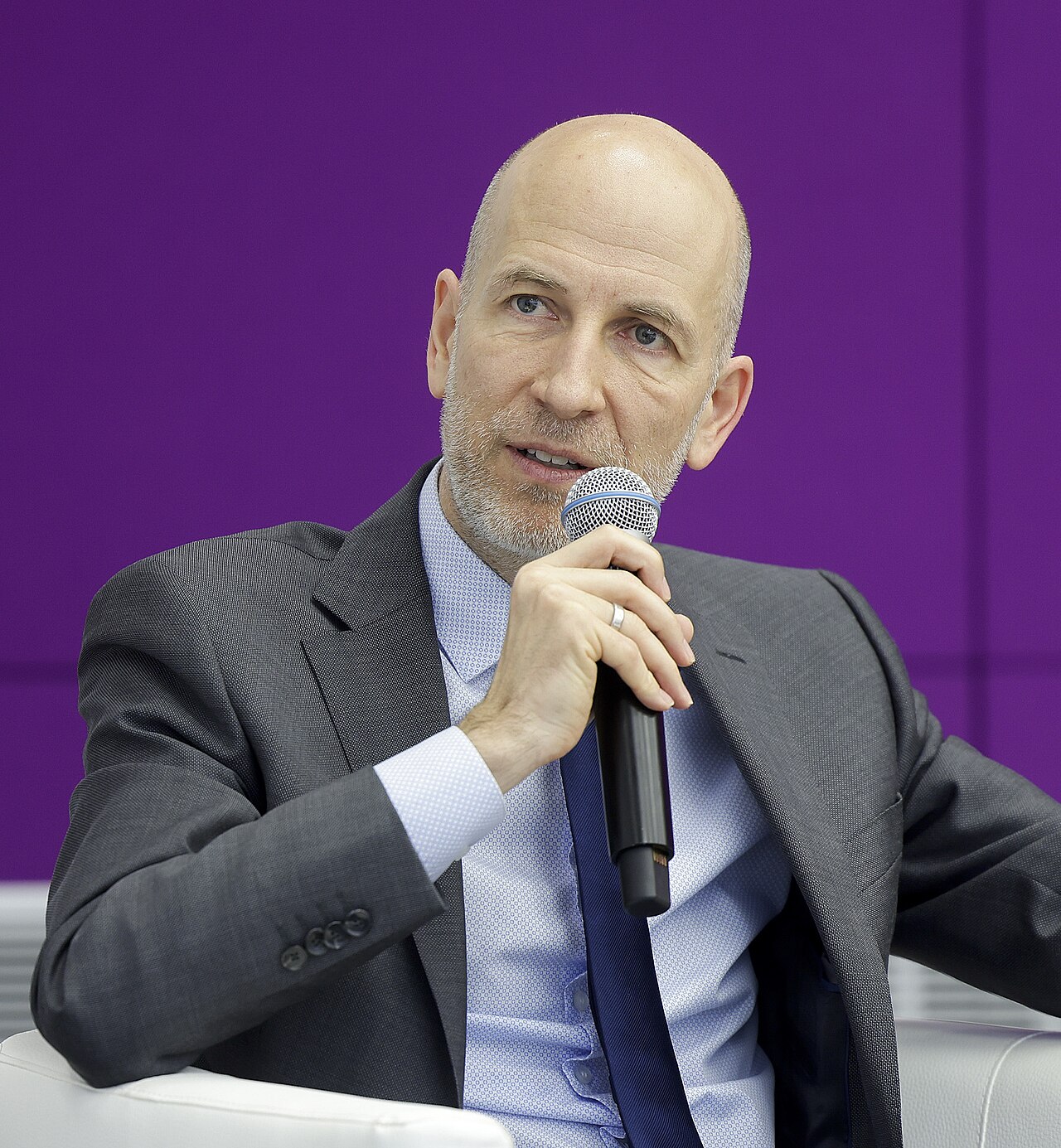
The Bank for International Settlements published on June 30 the concluding remarks of Martin Kocher, Governor of the Oesterreichische Nationalbank, delivered at the OeNB-SUERF Economics Conference "Monetary policy trade-offs in a heterogeneous currency area," held in Vienna on June 19.
Per the published text, Kocher argued that economic differences across the euro area can enhance resilience when accompanied by effective risk-sharing mechanisms, and that instruments such as the ECB's Outright Monetary Transactions and the Transmission Protection Instrument serve to address varying conditions across countries while maintaining a single monetary policy and preventing market fragmentation.
On the conduct of policy, the remarks hold that policymakers must weigh the source and persistence of supply shocks before deciding whether to respond aggressively or let temporary developments pass, per the text. Households and firms react differently to interest rate changes, requiring central banks to understand those variations for forecasting, Kocher said, and housing markets reflect national regulatory, tax and lending differences that demand tailored national policies alongside the common framework.
The remarks tie monetary policy's effectiveness to sound fiscal policy, macroprudential measures and progress towards banking and investment unions, per the text. Publication came through the BIS central bankers' speeches series, eleven days after delivery.
Background
The Oesterreichische Nationalbank is Austria's central bank and a member of the Eurosystem, the network of national central banks that conducts monetary policy for the euro area under the European Central Bank. Its governor sits on the ECB Governing Council, which sets interest rates for the twenty-country currency bloc — a structure in which a single policy must fit economies as different as Germany and Greece, the heterogeneity problem the Vienna conference took as its theme.
The tools Kocher cited are the euro area's anti-fragmentation instruments. Outright Monetary Transactions, announced in 2012 at the height of the sovereign debt crisis, allows the ECB to buy the bonds of countries under an adjustment programme; it has never been used, but its existence is credited with calming markets. The Transmission Protection Instrument, created in 2022, permits targeted purchases where market moves are judged disorderly and unwarranted. SUERF, the European Money and Finance Forum, is a long-standing network linking central bankers, academics and practitioners, and regularly co-hosts conferences with national central banks.
What comes next
Conference remarks of this kind feed the running debate on the ECB Governing Council rather than triggering immediate action. The arguments Kocher set out — on risk-sharing, the reading of supply shocks and nationally tailored housing measures — are positions to watch in future council communications and in Austria's own macroprudential policy, where the OeNB shares responsibility for lending standards.
Key facts on file
- Martin Kocher, OeNB Governor, delivered concluding remarks at the OeNB-SUERF conference in Vienna on June 19, 2026.
- The BIS published the remarks in its central bankers' speeches series on June 30.